Boston Real Estate Market Trends: What to Expect in 2026
Boston's housing market in 2026 is best described as steady rather than booming, with home values holding in the high $700,000s to high $800,000s depending on the data source and time of year, and prices generally trending flat to modestly up compared to last year. After the rapid price surges of prior years, the market is settling into a more balanced rhythm where buyers have a bit more breathing room without prices meaningfully declining.
Inventory has been the biggest shift this year. Listings are up meaningfully compared to last year across much of the city, giving buyers more options than they've had in recent memory. That said, homes are still moving at a healthy pace, typically going under contract within a few weeks to a month in competitive neighborhoods, and a large share of sales are still closing at or above asking price.
Mortgage rates remain a key factor shaping affordability, generally hovering in the low-to-mid 6% range for a 30-year fixed loan. While that's a meaningful improvement from the peaks of recent years, it's still high enough to keep some would-be buyers on the sidelines and to influence how much home people can realistically afford.
Perhaps the clearest theme in 2026 is just how neighborhood-specific Boston's market has become. Areas like Beacon Hill, Back Bay, and Seaport continue to command premium per-square-foot pricing, while neighborhoods like Dorchester, East Boston, and Hyde Park remain comparatively more affordable entry points into the city. At the same time, some inner suburban markets that were once considered the safest bets have cooled slightly, while other areas like the South Shore have seen stronger price growth, a reminder that broad city-wide averages can mask very different realities block by block.
Looking ahead, most forecasts point to continued stability rather than a sharp correction or a return to frenzied bidding wars. Housing economists expect existing home sales activity nationally, and in Boston specifically, to pick up modestly as rates ease and inventory continues to grow, but affordability will likely remain the defining challenge for buyers throughout the year.
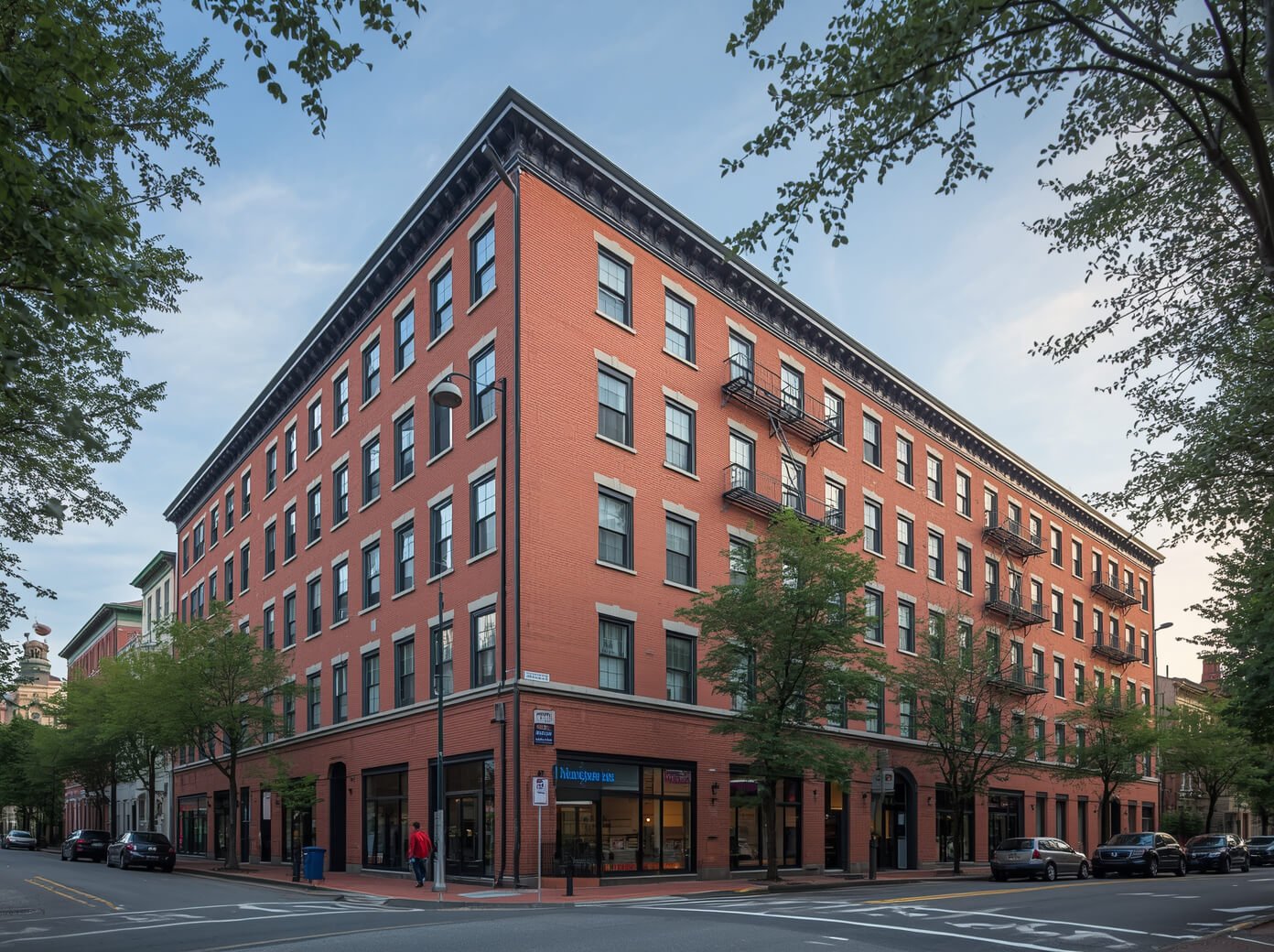
Key Boston Market Trends to Watch in 2026
Here's what's shaping Boston's housing market this year, and what it means for buyers and sellers.
Conclusion
Boston's 2026 real estate market rewards buyers and sellers who pay close attention to their specific neighborhood rather than relying on city-wide averages alone. With inventory improving and rates gradually easing, this year offers a more balanced environment than we've seen in a while, but success still comes down to understanding local conditions and being prepared to act when the right opportunity appears.